Hidden Signs of a Fantastic Assisted Living Home: A Practical Guide for Families
Business Name: BeeHive Homes of Alamogordo
Address: 1106 San Cristo St, Alamogordo, NM 88310
Phone: (575) 215-3900
BeeHive Homes of Alamogordo
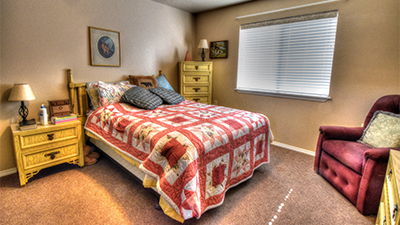
Beehive Homes assisted living care is ideal for those who value their independence but require help with some of the activities of daily living. Residents enjoy 24-hour support, private bedrooms with baths, medication monitoring, home-cooked meals, housekeeping and laundry services, social activities and outings, and daily physical and mental exercise opportunities. Beehive Homes memory care services accommodates the growing number of seniors affected by memory loss and dementia. Beehive Homes offers respite (short-term) care for your loved one should the need arise. Whether help is needed after a surgery or illness, for vacation coverage, or just a break from the routine, respite care provides you peace of mind for any length of stay.
1106 San Cristo St, Alamogordo, NM 88310
Business Hours
Choosing an assisted living community is one of those choices that looks easy on paper and feels heavy in real life. Pamphlets, websites, and trips all show the very same smiling citizens, the very same staged activity images, the very same clean lobby. Yet you may leave of one structure with a knot in your stomach and leave another sensation strangely assured, even if you can not rather explain why.
Those suspicion normally react to genuine signals. For many years, dealing with families and visiting dozens of senior care settings, I have actually discovered that the most important indications are typically small and easy to miss. This guide concentrates on those quieter indications, the ones that hardly ever appear in marketing products but state a lot about daily life for your parent or spouse.
I will assume you already understand the essentials: take a look at licensing, compare expenses, review care levels, and ask about personnel ratios. Prized possession, yes, but insufficient. The distinction between "appropriate" and "outstanding" assisted living frequently appears in the details, especially around culture, consistency, and how people actually act when nobody is trying to impress you.
Why the covert indications matter more than the sales pitch
A great assisted living or respite care stay does more than keep an individual safe. It preserves identity. It supports day-to-day self-respect. It creates a rhythm that seems like living, not just being housed.
Most poor experiences do not originate from one remarkable event. They grow from numerous small issues that never get fixed: unanswered call bells, hurried showers, meals that get here cold, personnel turnover, confusing guidelines. On the other hand, a lot of favorable stories share a pattern of strong relationships, predictable regimens, and a culture that values seniors as whole people.
Those patterns are tough to judge from a pamphlet. You see them finest by going to, observing, and asking the right type of questions.
First impressions that in fact anticipate quality
Families typically observe decoration, furniture, or the size of the lobby. Those things matter less than you might believe. When you first walk in, take notice of a few subtler clues.
How staff welcome you and others
Reception is your very first casual test. Not of hospitality as an efficiency, however of the community's default tone.
If the front desk person searches for, makes eye contact, and acknowledges you within a couple of seconds, it tells you that visitors and households are anticipated and welcome. If you see personnel walking by homeowners in the corridor, notification whether they utilize names, touch a shoulder, or offer a short hi without prompting.
You wish to see warmth that looks practiced in the very best method, as if individuals have actually been doing it for a while, not just turning it on when a supervisor walks by.
A few real world signs I have discovered trustworthy:
- Staff talk to locals before they speak about citizens. For example, a caregiver sees you near a resident and says, "Hello Mrs. Lewis, your child is here," before they welcome you.
- Housekeepers and upkeep employees connect easily with locals, not just care assistants and nurses. In the very best assisted living communities, every department sees itself as part of senior care, not just the scientific team.
- When somebody requests assistance, staff do one of two things: assist right away, or clearly hand off with a name and an amount of time. You rarely hear, "That's not my job."
If you hear personnel using labels like "sweetie" or "honey" for everybody, that can be a yellow flag. Some citizens like it, however generic pet names can indicate a culture that deals with elders as a group instead of distinct people.
The noise and speed of the building
Stand silently for a minute in a central corridor or near the dining-room. What you hear tells you a lot.
Healthy noise is spread: discussion at different volumes, a TV in a lounge, dishes from the kitchen area, distant laughter. The rate must feel active but not frantic.
Two extremes stress me. The first is heavy silence in the middle of the day. When there are dozens of individuals in a structure and you hardly hear a voice, it typically suggests most homeowners are isolated in their spaces or sedated. The 2nd is consistent screaming, alarms, or personnel screaming over each other, which may show understaffing or bad organization.
Background music can be another idea. If music is blasting in every hallway from a main speaker, without any way to escape it, that do not have of choice can be difficult for people with dementia or hearing loss. Thoughtful communities keep any music moderate and concentrated on common locations, or let citizens control it in their own space.
How locals actually look and move
You can learn more from viewing homeowners for 10 minutes than from an hour in the administrator's office.
Grooming and clothing
No one is perfectly provided throughout the day, however you ought to see more "assembled" than "overlooked." Search for:
- Clean, seasonally suitable clothes, not pajamas at 2 pm unless the person is plainly unwell.
- Combed hair, trimmed nails, clean glasses.
- Mobility help (walkers, wheelchairs) adjusted to a sensible height, not obviously too low or too high.
If you regularly see food stains, bare feet in wheelchairs, or the exact same outfit day after day on different visits, that signals faster ways in basic elderly care.
Posture and positioning
Residents seated in loungers or wheelchairs inform their own story. Comfortable people shift positions, connect with others, or see what is going on. If you see a number of individuals slumped over, sliding out of chairs, or parked in corridors facing the wall, that recommends a job driven mindset: get everyone "out" instead of support them to engage.
On the other hand, in strong neighborhoods you will observe staff changing pillows, rearranging locals without being asked, and asking, "Is that chair still comfortable or should we attempt something else?" Those small interactions reveal that convenience and self-respect are ongoing concerns, not simply box checking.
The emotional temperature
Pay attention to faces. Are residents mostly neutral to material, or do numerous look distressed or upset? One or two upset people is typical in any setting. A pattern of distressed or tearful faces should have more questions.
Try to catch a small group chat or an activity in development. Individuals do not require to look pleased, but you wish to see some eye contact, some banter, some mild teasing. In great assisted living environments, residents form micro neighborhoods: two poker buddies, three ladies who satisfy for coffee, the gentleman who shares his early morning newspaper.
These informal connections are the foundation of senior care. If everyone appears alone in a crowd, the structure may be there however the social material is thin.
Staff habits when they are not "on phase"
Almost every community puts its best people on an official tour. The real assessment starts when you wander a bit.
What you see in corridors and at shift change
Ask if you can stroll from one end of the structure to the other, preferably throughout a shift duration like late morning or mid afternoon. As you walk:
- Notice if call lights seem to stay on for long stretches. A few minutes is fine, fifteen is not.
- Listen for how staff speak with each other. Jokes and small talk are normal, however consistent problems or sarcasm about residents are a red flag.
- Watch whether personnel walk briskly but with purpose, or appear rushed, spread, and behind.
Shift change is particularly informing. In better run communities, staff arrive a couple of minutes early, get report, and entrust to visible, organized handoffs. If you see late arrivals, confusion, or staff discussing who is covering whom, it may show persistent understaffing or bad leadership.
Consistency of faces
Ask the same question of a minimum of two individuals on various days: "For how long have you worked here?" Pay special attention to frontline caretakers, not only managers.
A mix of tenured personnel (2 years or more) and a few more recent faces is normal. If nearly everyone you speak to has actually existed less than six months, the culture might be driving them away. Stable teams generally translate into more constant care, fewer medication mistakes, and better relationships with families.
Also ask, "If my mom needs aid in the night, who comes?" You want a clear, positive reaction that mentions specific roles, not fuzzy referrals like "whoever is offered."
How management talks about problems
You will get better details by asking about what has failed than about what works out. Every assisted living neighborhood has had complaints, challenging households, and crises. What matters is how they respond.
I often recommend this question: "Tell me about a time in the in 2015 when you made a mistake with a resident or a household was dissatisfied. What occurred and what did you alter after that?"
Strong leaders can offer you a specific example, even if they anonymize details. They may explain a missed shower, a medication timing concern, a dispute about a roommate, or a fall. Then they discuss what they did in a different way: adjusted staffing on a shift, added a double check to medication passes, altered how they assisted living alamogordo nm BeeHive Homes of Alamogordo communicate.
Be cautious if a manager claims, "We truly have actually not had any major complaints," or rapidly blames "hard families" without any reflection. That kind of answer informs you more about defensiveness than about safety.
Another good question is, "What type of resident is not a great fit here?" Truthful neighborhoods will confess limits. They may describe that they can not securely manage aggression, 2 person transfers, or extremely intricate medical requirements. If the answer sounds like, "We can deal with whatever," dig deeper.
Food, hydration, and the untidy truth of dining
Meals are main to life in assisted living. They are one of the couple of daily events everybody shares. A polished menu is lesser than how food and mealtimes really feel.
Observe a meal from doorway to dessert
If possible, visit throughout lunch or supper and ask to remain through the whole meal. Keep in mind when homeowners begin getting in the dining room and the length of time it considers everybody to be served.
Three things generally predict fulfillment with dining:
First, timing. A lot of homeowners ought to be seated and eating within about 30 to 40 minutes of the posted start. Longer delays create agitation, particularly for individuals with dementia or diabetes.
Second, option. Even in modest neighborhoods, there ought to be more than one alternative. Search for an alternate menu with basic products like sandwiches, eggs, soup, or salad. Ask if citizens can swap sides, ask for smaller portions, or have actually preferences honored over time.
Third, support. Watch how staff help people who can not feed themselves easily. Great practice includes sitting at eye level, cueing carefully, and pacing bites to the resident's rhythm. If you see plates got rid of quickly from slow eaters, or personnel standing over homeowners while feeding them like a job to end up, anticipate the exact same when you are not there.
Hydration is another underappreciated detail. Inspect if you see water or other drinks offered outside of meals: pitchers in lounges, hydration stations, or personnel routinely offering beverages throughout the afternoon. Dehydration adds to falls, confusion, and urinary infections, yet in numerous assisted living homes it gets less attention than it should.
Activities that seem like reality, not just calendar filler
Most activity calendars look remarkable: bingo three times a week, crafts, movie night, exercise class. What matters is whether homeowners in fact participate in and whether the programming fulfills their energy levels and interests.
Look for a minimum of some of the following:
- Activity areas that are in fact in use. A space full of craft materials that always sits dark informs you activity personnel are stretched too thin or locals are not engaging.
- One to one or small group options for people who do not delight in large gatherings. These might consist of room visits, short strolls, or peaceful reading sessions.
- Activities that reflect locals' backgrounds. If numerous residents grew up locally, you might see reminiscence groups with old area photos, or guest speakers from close-by organizations.
Ask the activity director, "Can you tell me about one resident whose involvement altered in time?" The very best ones can describe coaxing a withdrawn person into small steps: first sitting near the group, then signing up with a video game, later on helping lead something. That shows both patience and skill.
Pay attention, too, to how the neighborhood accommodates differing cognitive levels. If everybody is offered the same program, those with memory loss may be overwhelmed while others are tired. Thoughtful assisted living homes and memory care units develop layered alternatives so each person can find something suitable.
The less glamorous but critical details
Some of the greatest predictors of quality in elderly care are boring on the surface area. They do not produce shiny images, yet they heavily affect day-to-day convenience and safety.
Cleanliness that feels resided in, not staged
Of course you want a tidy structure. But not healthcare facility sterilized, and not "cleaned up just where visitors go."
When you tour, politely ask to see a space that is not yet all set for relocation in, an energy closet, or a staff area. You are not trying to attack personal privacy, just to see if neatness extends beyond public view.
Some specifics that normally separate solid neighborhoods from marginal ones:
- Odors that specify and short-term, not general and constant. A brief smell near a resident's room might just mean someone had an accident and it is being managed. A relentless smell in corridors or typical areas indicate deep cleaning shortcuts or chronic incontinence that is not well managed.
- Bathroom details, like grab bars that feel strong, shower chairs in good condition, and non slip mats that lie flat. These are small but vital security features.
- Laundry practices. Ask how they track clothing so it does not vanish, and whether households can pick to manage laundry themselves. Regular lost products are a common complaint and can be lessened with good systems.
Medication management without mystery
Medication errors are among the most severe threats in assisted living. You do not require to become a specialist pharmacist, but you need to comprehend how a neighborhood arranges this part of senior care.
Good concerns include:
- Who actually provides medications? Licensed nurses, medication aides, or a mix? What training do med aides receive, and how often?
- How do you handle brand-new prescriptions, dosage changes, or health center discharges?
- What happens if my parent declines a medication?
Listen for structured, step-by-step answers, not unclear guarantees. For example, a nurse might explain check, electronic medication records, and recorded follow up when a dosage is missed out on. The more clearly they can explain the process, the more likely it exists in reality.
Family communication and conflict handling
Family relationships are hardly ever easy. Assisted living personnel operate in that intricacy every day. You want a community that invites your participation, sets clear boundaries, and remains constant when differences arise.
Notice how people respond when you ask direct concerns. Do they appear slightly safeguarded, as if they worry you are out to capture them? Or do they lean in, explore your issues, and deal particular examples?
One practical test: ask, "If I call with a non immediate concern, how quickly should I expect an action, and from whom?" Strong neighborhoods have actually a defined channel, typically a nurse or care organizer, and a time frame such as "within 24 hr." They may likewise welcome you to routine care conferences or household meetings.
Ask about how they manage major incidents or injuries. Who calls you, how rapidly, and what info they provide. If your loved one will utilize respite care initially, utilize that short stay to assess whether their communication promises match your actual experience.
Conflict is inevitable. What matters is whether the community treats it as an intrusion or as part of the work. When personnel can say, "We had a hard discussion with a son recently, here is how we worked it through," you are hearing experience, not theory.
Using respite care as a trial run
Short term stays are an underrated tool. Respite care permits someone to experience the rhythms of a location without the emotional weight of a permanent move. It likewise provides the neighborhood an opportunity to comprehend your loved one's requires more fully.
If possible, organize a 1 to 4 week respite stay before making a long term decision. During that period, focus on:
- How your loved one looks and sounds when you visit at different times of the day.
- Whether personnel start to utilize their favored name, remember regimens (for instance, coffee with 2 sugars), and anticipate needs.
- Any modifications in state of mind, cravings, sleep, or mobility.
It is regular to see some preliminary adjustment stress. Many individuals feel disoriented for the very first few days. The essential question is whether there is a pattern towards more comfort and structure, or whether confusion and distress stay high.
Use that time to check communication, test response to issues, and see how the community acts once the "brand-new resident" radiance uses off.
Balancing desires, needs, and reality
Every family faces trade offs. Maybe the very best staffed neighborhood is farther than you wish to drive. Possibly the friendliest staff operate in an older structure with smaller spaces. Perhaps your parent chooses one place while you prefer another.
It can assist to distinguish what is really non negotiable from what is merely desirable. Safety, dignity, and appropriate staffing fall in the very first category. Décor, view, and even some features typically fall in the second.
When you find a location that feels human, where staff seem to like both their work and individuals they serve, that normally matters more than a fireplace in the lobby or a health club menu of services.
One easy list numerous families use throughout trips concentrates on 5 core measurements:
- Safety in day-to-day regimens, consisting of fall prevention, medication management, and emergency response.
- Respect in interaction, from front desk to caregivers to managers.
- Engagement in life, through relationships, activities, and choice.
- Reliability of staff, reflected in consistency, tenure, and how they respond when things go wrong.
- Fit of values, such as mindset toward independence, privacy, animals, or religious practices.
When 2 neighborhoods look comparable on paper, review them with these in mind and let your observations, and your loved one's impressions, guide you.
Final thoughts: viewing what people do, not just what they say
A terrific assisted living home does not look best. You may see a call light stay on a bit too long, an employee having an off moment, or a resident who is having a hard day. That is real life. The concern is whether the underlying culture is strong enough to absorb those bumps and bring back balance.
Look closely at how people act when they think no one crucial is enjoying. The maid who stops briefly to correct a blanket, the nurse who listens carefully to a confused resident, the receptionist who knows everybody's schedule by heart, the activity assistant who can be found in on a day off for a resident's birthday: those unscripted gestures are the genuine measure of senior care.
If you see those type of moments more often than not, you are most likely standing in a place where your parent or partner can not just be safe, but also be known. And that is the peaceful, hidden promise of a truly terrific assisted living home.
BeeHive Homes of Alamogordo provides assisted living care
BeeHive Homes of Alamogordo provides memory care services
BeeHive Homes of Alamogordo provides respite care services
BeeHive Homes of Alamogordo supports assistance with bathing and grooming
BeeHive Homes of Alamogordo offers private bedrooms with private bathrooms
BeeHive Homes of Alamogordo provides medication monitoring and documentation
BeeHive Homes of Alamogordo serves dietitian-approved meals
BeeHive Homes of Alamogordo provides housekeeping services
BeeHive Homes of Alamogordo provides laundry services
BeeHive Homes of Alamogordo offers community dining and social engagement activities
BeeHive Homes of Alamogordo features life enrichment activities
BeeHive Homes of Alamogordo supports personal care assistance during meals and daily routines
BeeHive Homes of Alamogordo promotes frequent physical and mental exercise opportunities
BeeHive Homes of Alamogordo provides a home-like residential environment
BeeHive Homes of Alamogordo creates customized care plans as residents’ needs change
BeeHive Homes of Alamogordo assesses individual resident care needs
BeeHive Homes of Alamogordo accepts private pay and long-term care insurance
BeeHive Homes of Alamogordo assists qualified veterans with Aid and Attendance benefits
BeeHive Homes of Alamogordo encourages meaningful resident-to-staff relationships
BeeHive Homes of Alamogordo delivers compassionate, attentive senior care focused on dignity and comfort
BeeHive Homes of Alamogordo has a phone number of (575) 215-3900
BeeHive Homes of Alamogordo has an address of 1106 San Cristo St, Alamogordo, NM 88310
BeeHive Homes of Alamogordo has a website https://beehivehomes.com/locations/alamogordo/
BeeHive Homes of Alamogordo has Google Maps listing https://maps.app.goo.gl/ADjJ88EoCTadK58t5
BeeHive Homes of Alamogordo has Instagram page https://www.instagram.com/beehivealamogordo/
BeeHive Homes of Alamogordo has an YouTube page https://www.youtube.com/@WelcomeHomeBeeHiveHomes
BeeHive Homes of Alamogordo won Top Assisted Living Homes 2025
BeeHive Homes of Alamogordo earned Best Customer Service Award 2024
BeeHive Homes of Alamogordo placed 1st for Senior Living Communities 2025
People Also Ask about BeeHive Homes of Alamogordo
What is BeeHive Homes of Alamogordo Living monthly room rate?
The rate depends on the level of care that is needed. We do a pre-admission evaluation for each resident to determine the level of care needed. The monthly rate is based on this evaluation. There are no hidden costs or fees
Can residents stay in BeeHive Homes until the end of their life?
Usually yes. There are exceptions, such as when there are safety issues with the resident, or they need 24 hour skilled nursing services
Do we have a nurse on staff?
No, but each BeeHive Home has a consulting Nurse available 24 – 7. if nursing services are needed, a doctor can order home health to come into the home
What are BeeHive Homes’ visiting hours?
Visiting hours are adjusted to accommodate the families and the resident’s needs… just not too early or too late
Do we have couple’s rooms available?
Yes, each home has rooms designed to accommodate couples. Please ask about the availability of these rooms
Where is BeeHive Homes of Alamogordo located?
BeeHive Homes of Alamogordo is conveniently located at 1106 San Cristo St, Alamogordo, NM 88310. You can easily find directions on Google Maps or call at (575) 215-3900 Monday through Sunday 9:00am to 5:00pm
How can I contact BeeHive Homes of Alamogordo?
You can contact BeeHive Homes of Alamogordo by phone at: (575) 215-3900, visit their website at https://beehivehomes.com/locations/alamogordo/ or connect on social media via Instagram Facebook or YouTube
Residents may take a trip to the Tularosa Basin Museum of History . The Tularosa Basin Museum offers local heritage exhibits well suited for assisted living and memory care enrichment during senior care and respite care outings.